
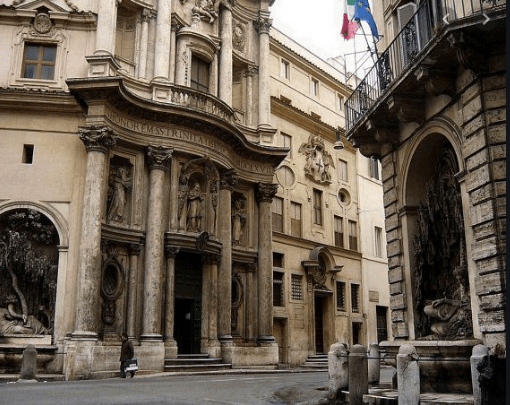
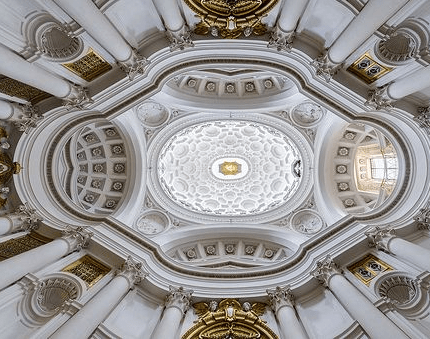
When I hear the word “wall” I immediately think of a flat rectangular surface flanked in between two similarly shaped and perpendicularly placed walls. Something that fascinated me from this week’s lecture was the walls of the Borromini in Rome. These walls are not only theatrical and sculptural but also flexible and dynamic. They beautifully transition from the skin of the building to a space that belongs to both the building and the street. The folds and curves help in creating a multi-layered system that creates unique choices and experiences for the user.
As I had mentioned in my previous blog, my understanding of these elements are quite limited, explaining my choice of using a rectangular piece of cardboard as a membrane in the previous exercise. While creating my model this week, keeping in mind the mistakes from last week, my process was slightly different.
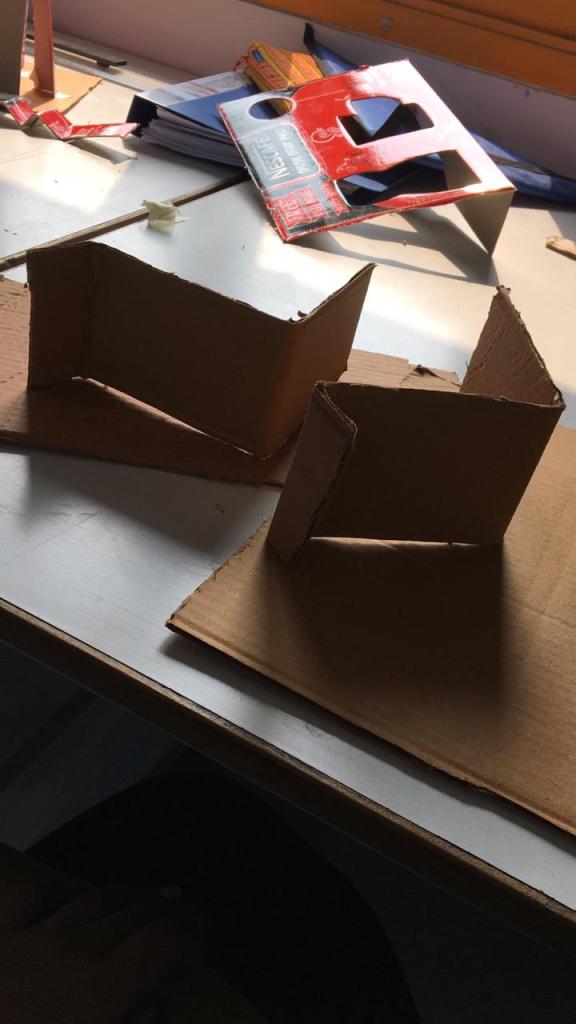
I started with two rectangular pieces of cardboard, one that would act as a base and the second which would be manipulated to create a membrane. I played around with these pieces to understand where I could make folds and bend the material comfortably. Incorporating my emotion of claustrophobia into the current model, I created two folds on one of the pieces of roughly 1:4 proportions. The two folds were meant to create pockets of space that were narrowing in, evoking a sense of claustrophobia. This first model was to be viewed in plan and the folds were made inside and out, creating interior and exterior spaces based on how they were viewed.
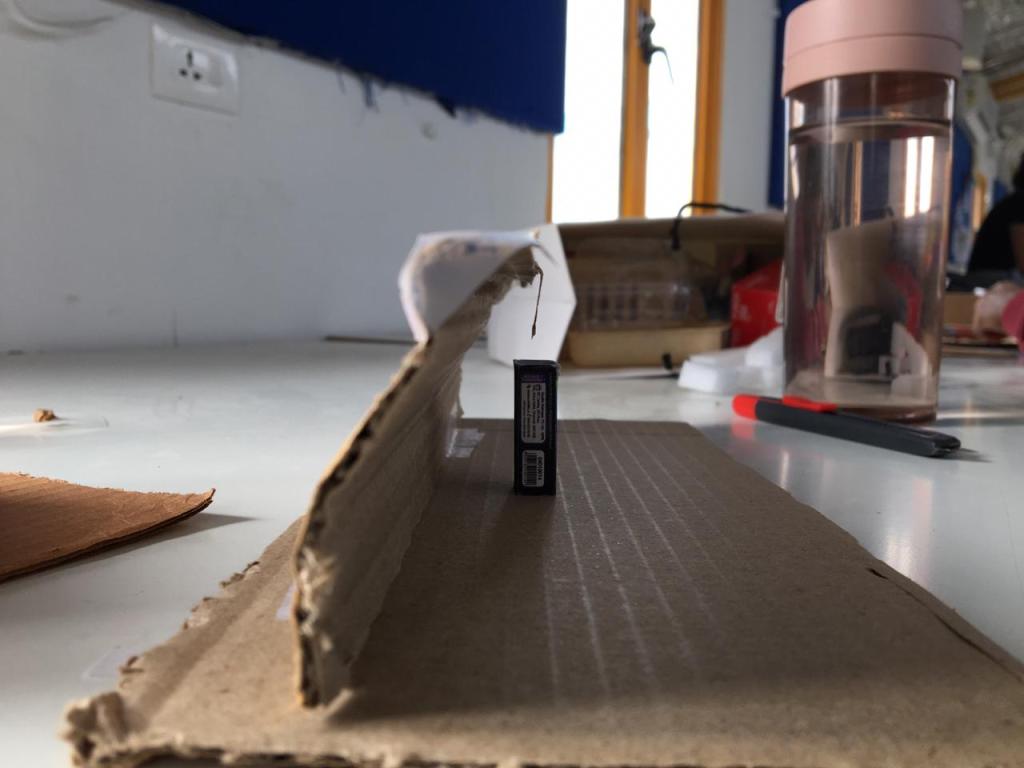
The second model was to be viewed in section, this meant that the folds made, and therefore, layers created must add an element of vertical dimension to the wall, making it thicker and easily manipulative. Initially, I had bent the cardboard in such a way that it created a curved wall.
Although this allowed me to create a flexible wall, it didn’t align with the emotion I had chosen. I needed to create more narrow spaces for my mini-me to experience a sense of claustrophobia. Instead, I decided to create two similar folds as I did in the first model, except I made these folds vertically instead of horizontally.
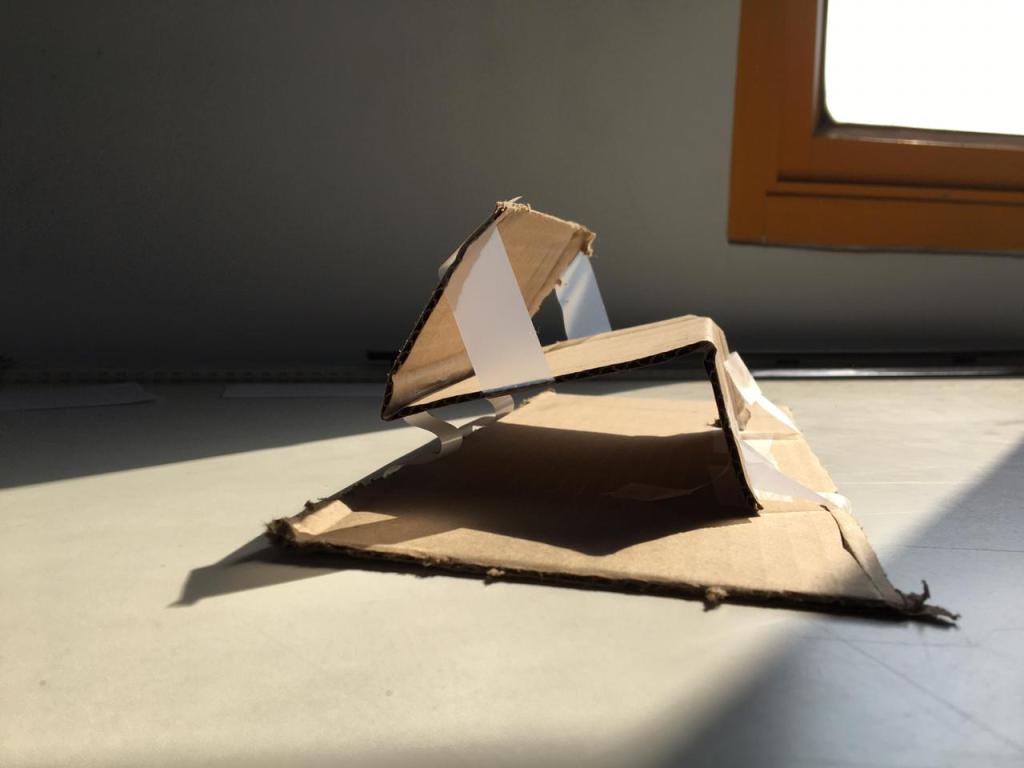
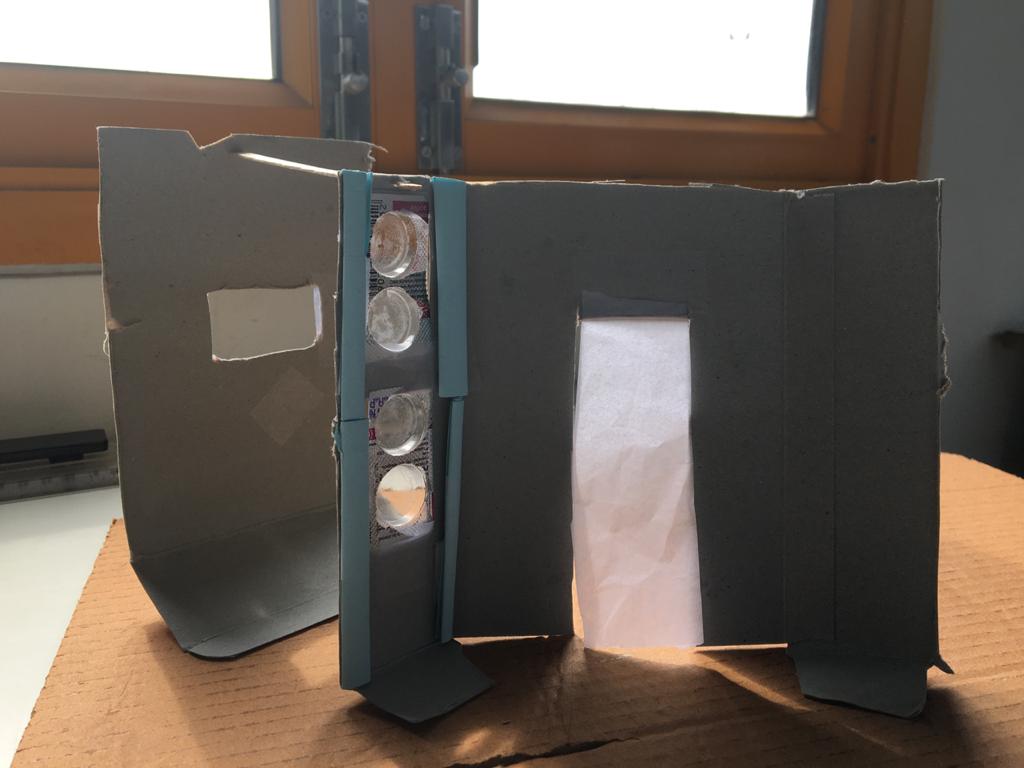
The third model I made would have to incorporate both of these models to create one flexible membrane. I didn’t necessarily replicate either of them but tried to include elements of both to heighten the sensorial experience of claustrophobia once would experience if they were to use this space.
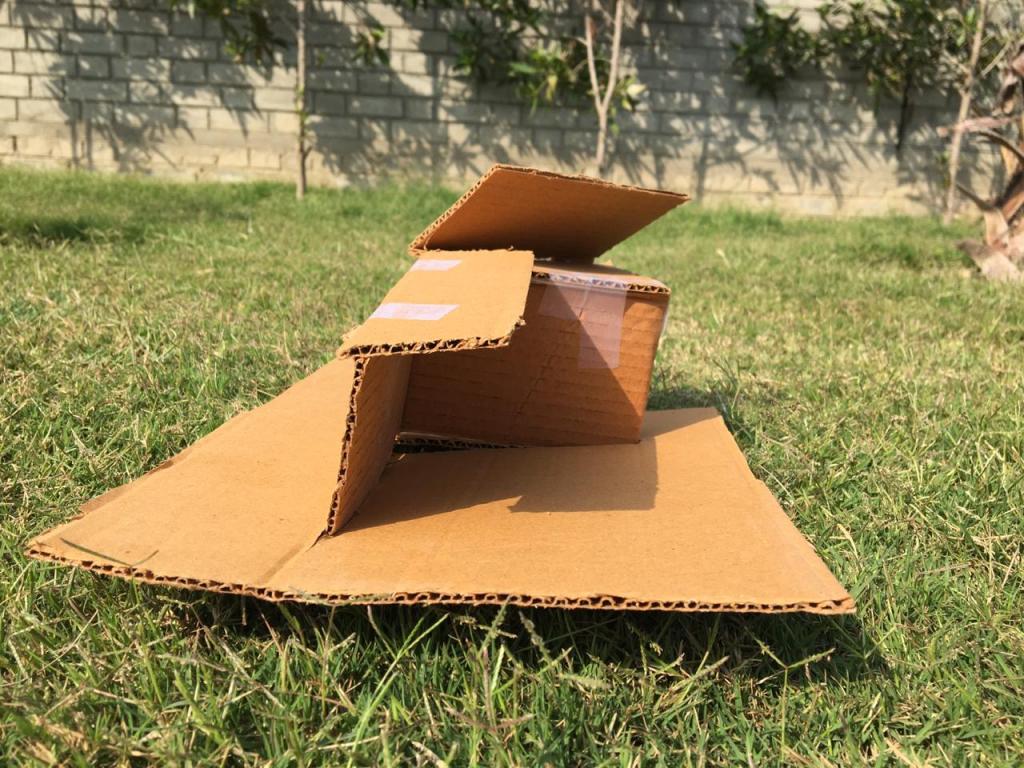
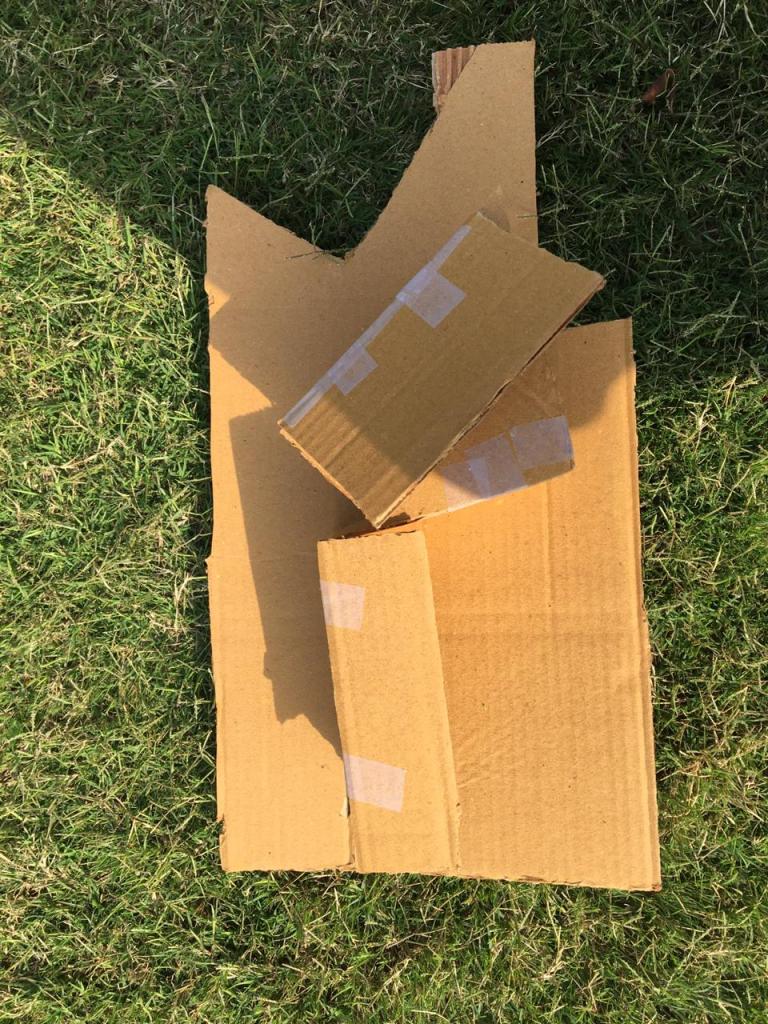
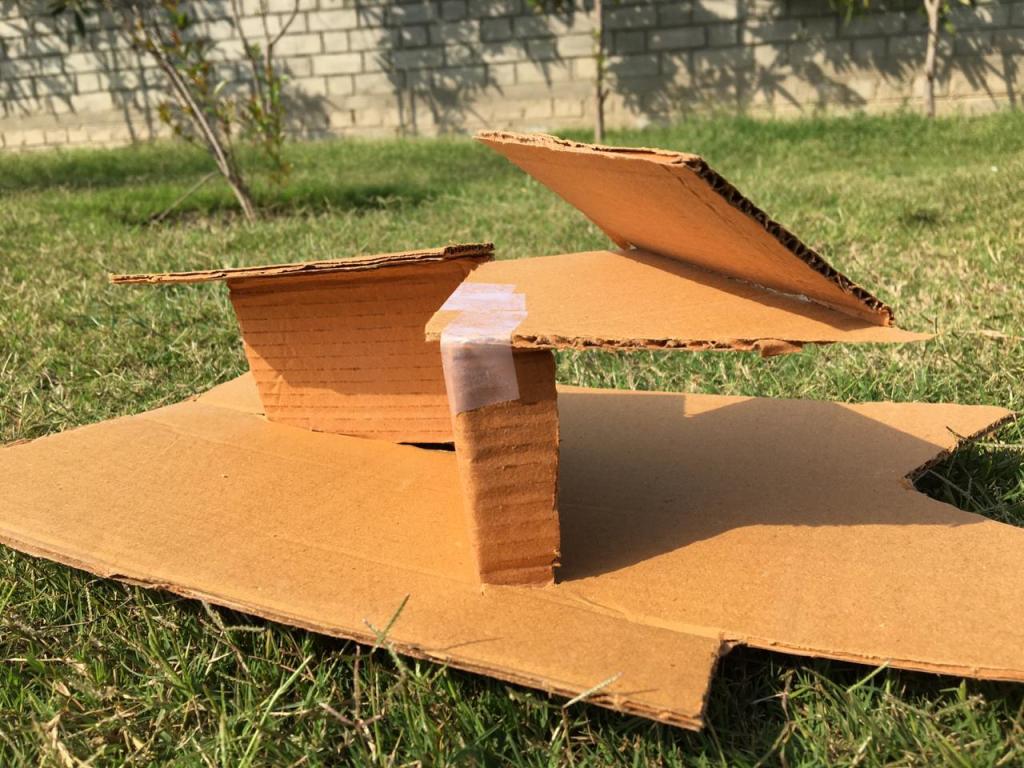
Unlike the previous weeks, while making this week’s model, I didn’t have an initial idea of it before I started working on it. I didn’t impose an idea onto the material, instead, I allowed the material to guide me through what my model was going to look like. The method of creating two initial models and then incorporating them into a third one was challenging and exciting. By doing this I realised that I had so many choices and places to make decisions rather than when I had to replicate an idea that I had in my head. I feel that we are largely conditioned to believe that good work comes from “creativity” or “originality” when this is not the case. By removing our biases from our work, we can find so many opportunities that would have otherwise gone unnoticed
 the girl in the beanie