
I have never been a fan of crowded places and my trip to the Tirupati temple in Andhra Pradesh as a young girl is something that I don’t think I will ever forget. I was standing in a queue in a narrow passageway for six to eight hours with people much taller than me pushing me from all directions and I remember not being able to breathe or see clearly.
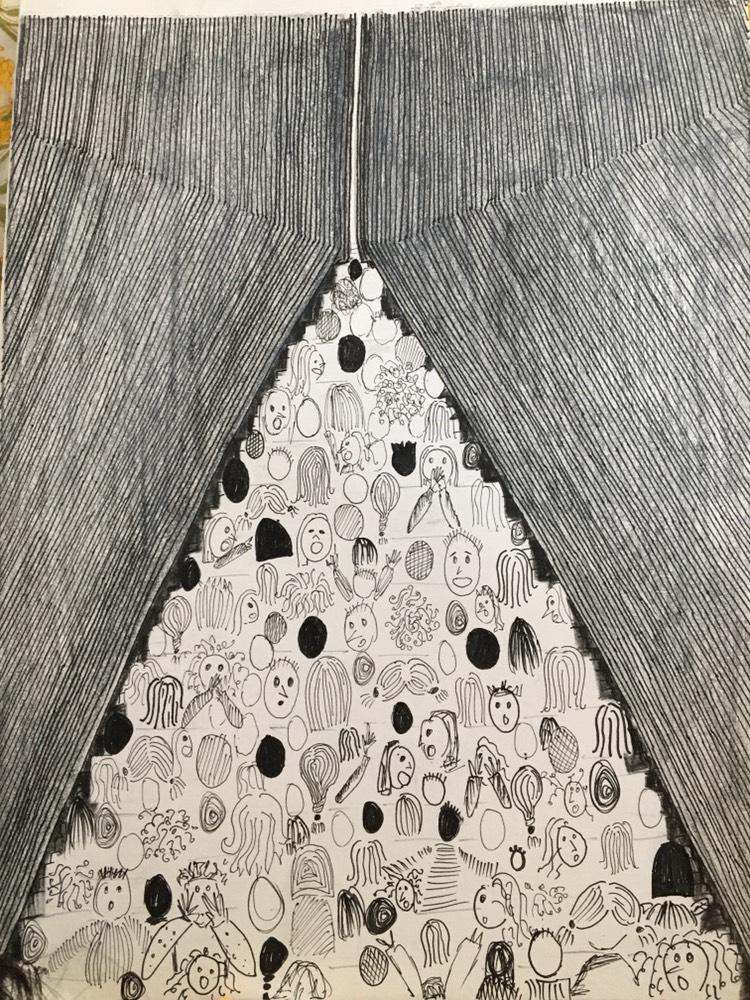
I had made this sketch,to the left, from memory as part of an assignment for the Space and Place course, to depict what I felt in that claustrophobic space. experienced there and not the visual alone. Apart from feeling like the walls were closing in as I was walking up the stairs, I remember feeling lightheaded and dizzy, my palms were sweaty and I felt weak. One of the biggest takeaways from that course for me was that spatial character is understood by our sensorial experiences in that space, combining all senses and activities.
For this week’s exercise, we looked at vessels. In the chapter on vessels in the book ‘Chambers of a Memory Palace’ by Charles Moore and Donlyn Lyndon, we understand that proportions and context in a room are meant to accommodate us and so, high rooms would ensure an adequate volume of air for its inhabitants. Additionally, the volume of a room must be great enough to afford appropriate freedom for the inhabitant. Keeping these in mind, I began working on my model that was going to a vessel with the feeling of claustrophobia playing into its form.
The first step was identifying the many elements associated with the feeling of claustrophobia, i.e darkness, confinement, congestion, crowd, feeling of being stuck, etc. Once I listed them out, I began reversing the elements and noting down its contrasting elements i.e, light for darkness, flow for congestion, moving for stuck, etc. This was aimed at understanding what the different elements would be if I were to incorporate them into creating a space that can be comfortably inhabited by someone with claustrophobia.
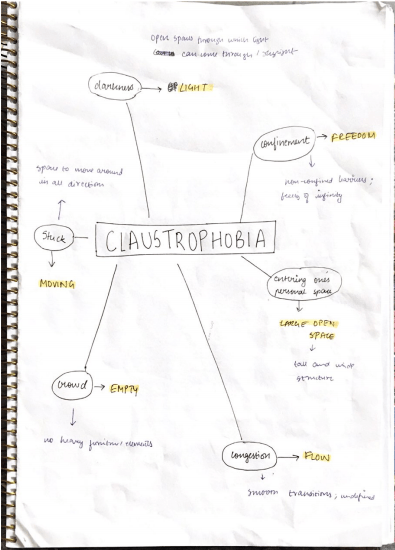
Subsequently, I added certain characteristics of built spaces that I believe will allow us to achieve elements attached to it. For example, to achieve a ‘moving’ state within a built environment it must have space for someone to move in all directions and not feel restricted.
This is a mind map of everything discussed above with the encircled text indicating the elements associated with claustrophobia, reversed elements in yellow highlight and blue text representing the characteristics of the space.
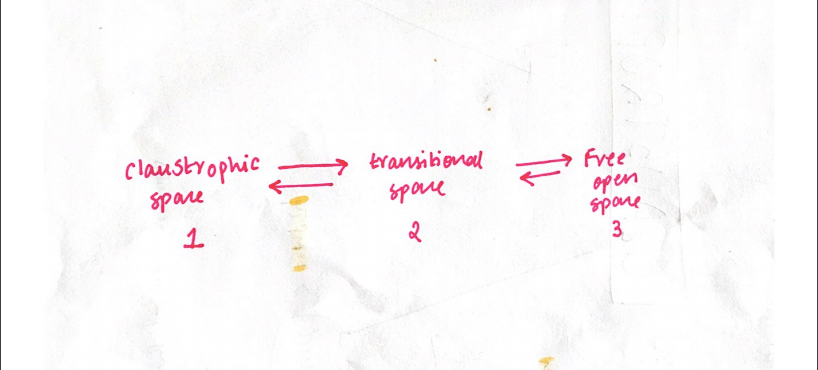
I decided to create a vessel that progresses from a claustrophobic space to an open one or vice versa, depending on how it is accessed. As explained below, the claustrophobic space or space 1 opens into an intermediate transition space 2 and finally into a free open space 3. This process can however, be reversed if a person enters the vessel from space 3 and moves towards 1.
Space 1 will consist of a dark and narrow space that I created using a cardboard tube. This gives us a narrow, dark and tunnel-like space evoking a sense of claustrophobia.
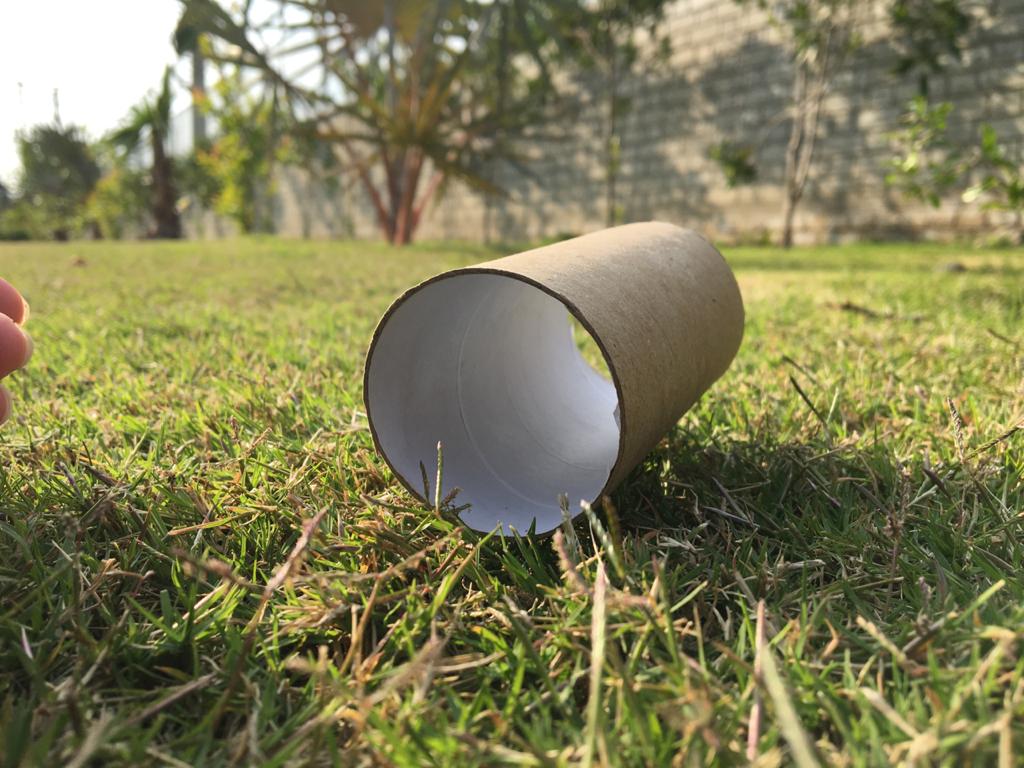
Space 1 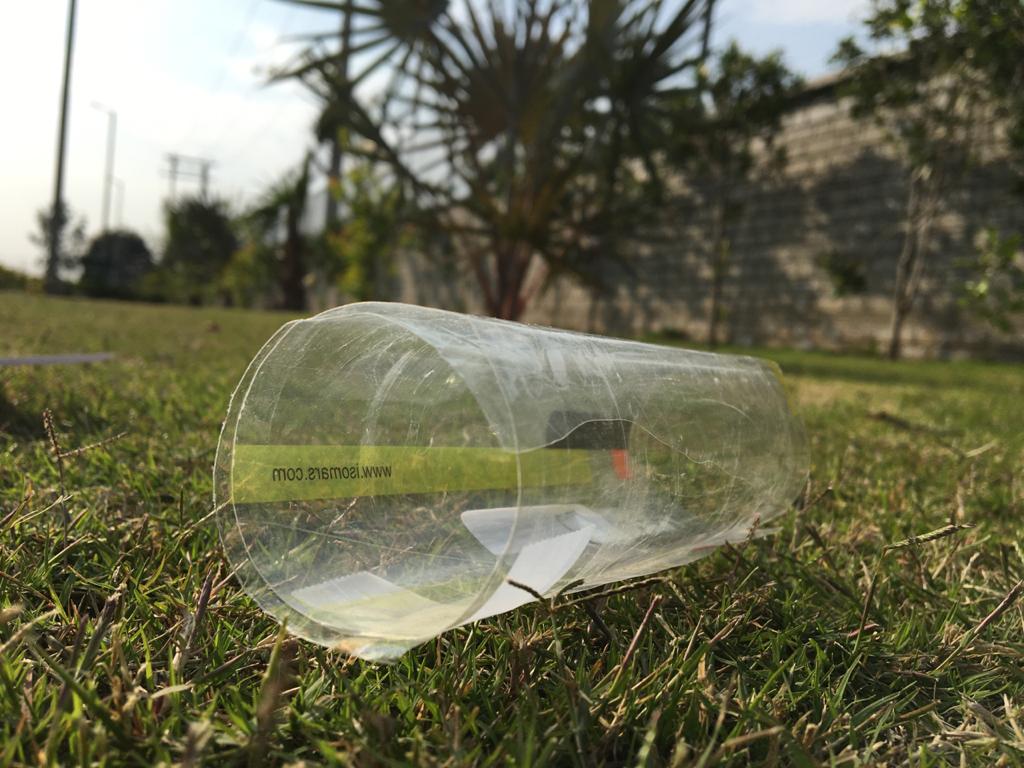
Space 2
This opens into a similar tunnel-like space except it is transparent and allows sunlight to come in. Although the person can’t escape or leave the tunnel in that space, visually, they can explore what’s outside from all directions. This connects us to a previous blog entry about portals, where we discussed portals for the body and portals for the eyes. This second space is meant to act as a portal for the eyes.
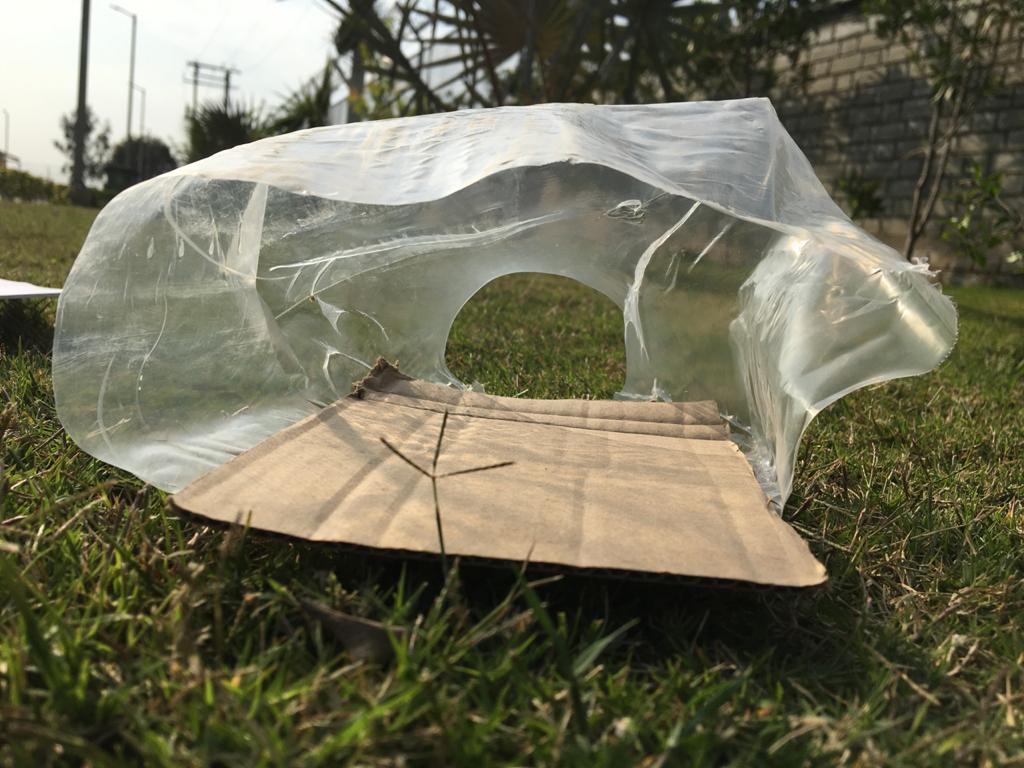
Elevation 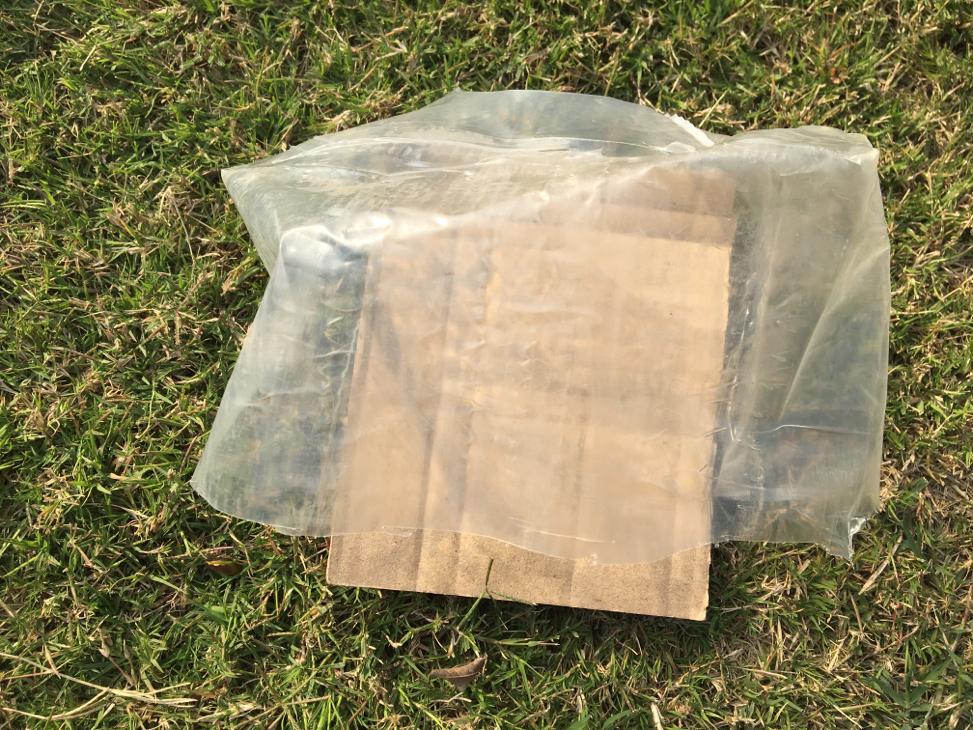
Plan view
The third space acts as a portal for the body and is meant to evoke a sense of freedom and allow a person to escape. The ceiling is much higher to avoid interfering with one’s personal space, there is a feeling on emptiness and flow as well as ample sunlight.
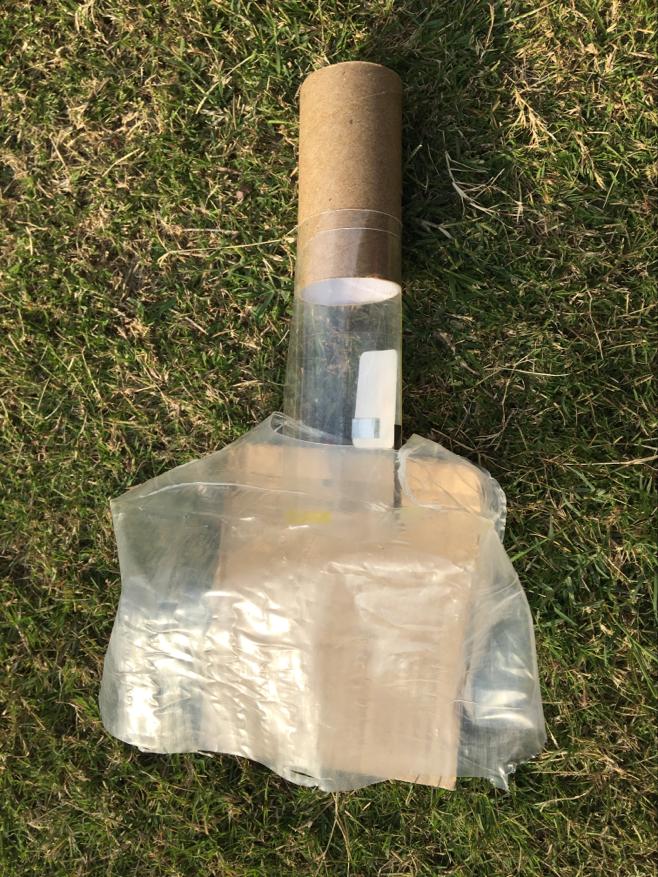
Plan View 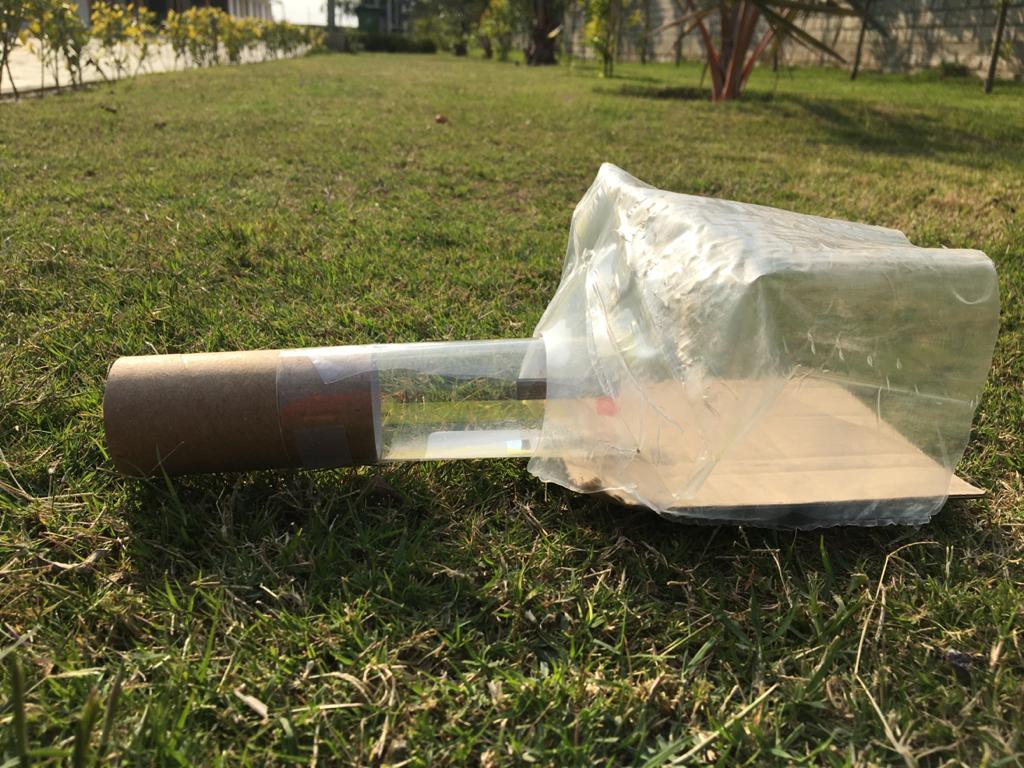
Elevation
The experience of a person walking through this vessel will depend on which side they choose to access it from but the idea of the creation of such a vessel is to have a more dynamic understanding of the space with different degrees of claustrophobia rather than a singular meaning attached to it as I did with the temple at Tirupati.
 the girl in the beanie